24th Anniversary of Cardinal François-Xavier Nguyễn Văn Thuận’s passing
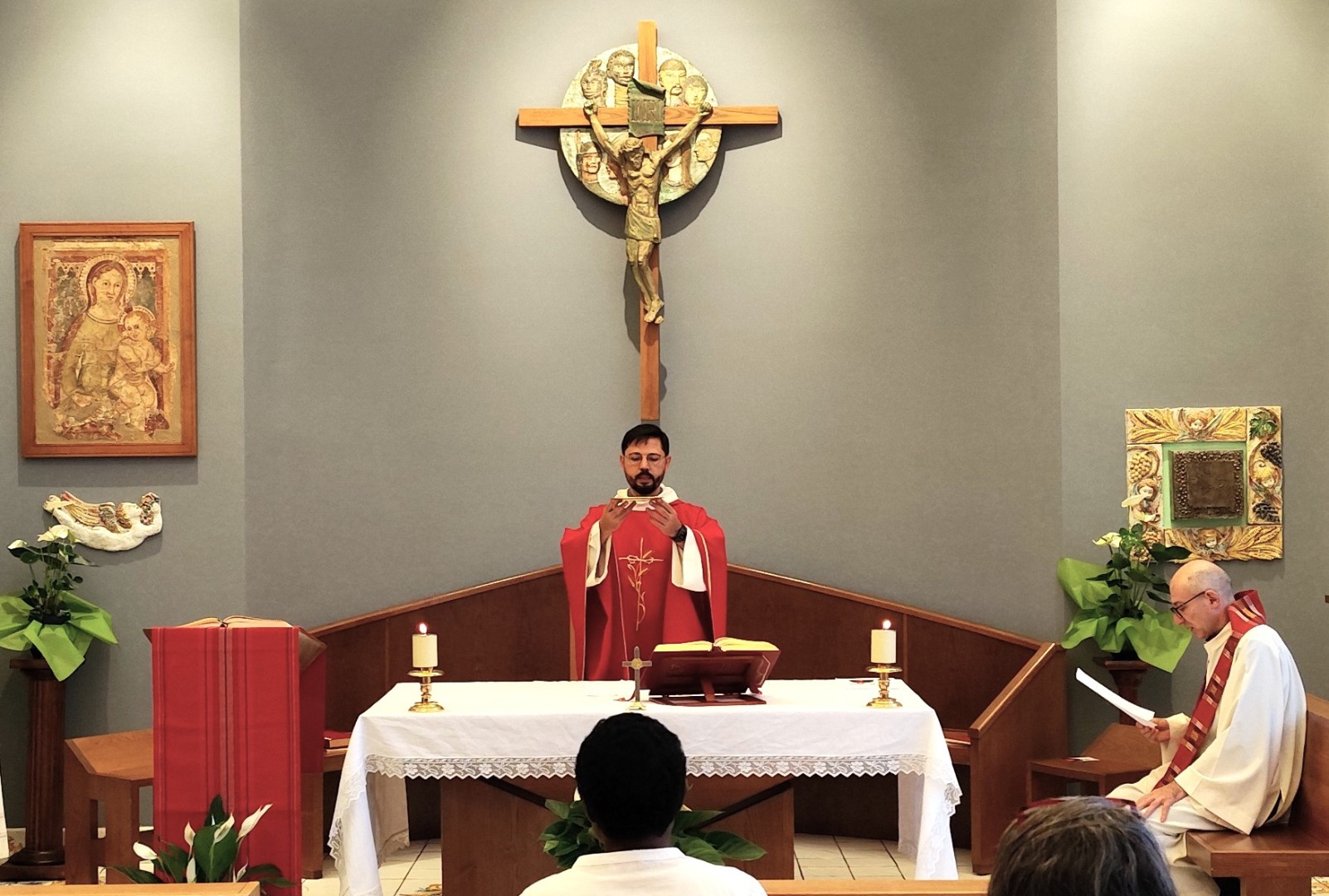
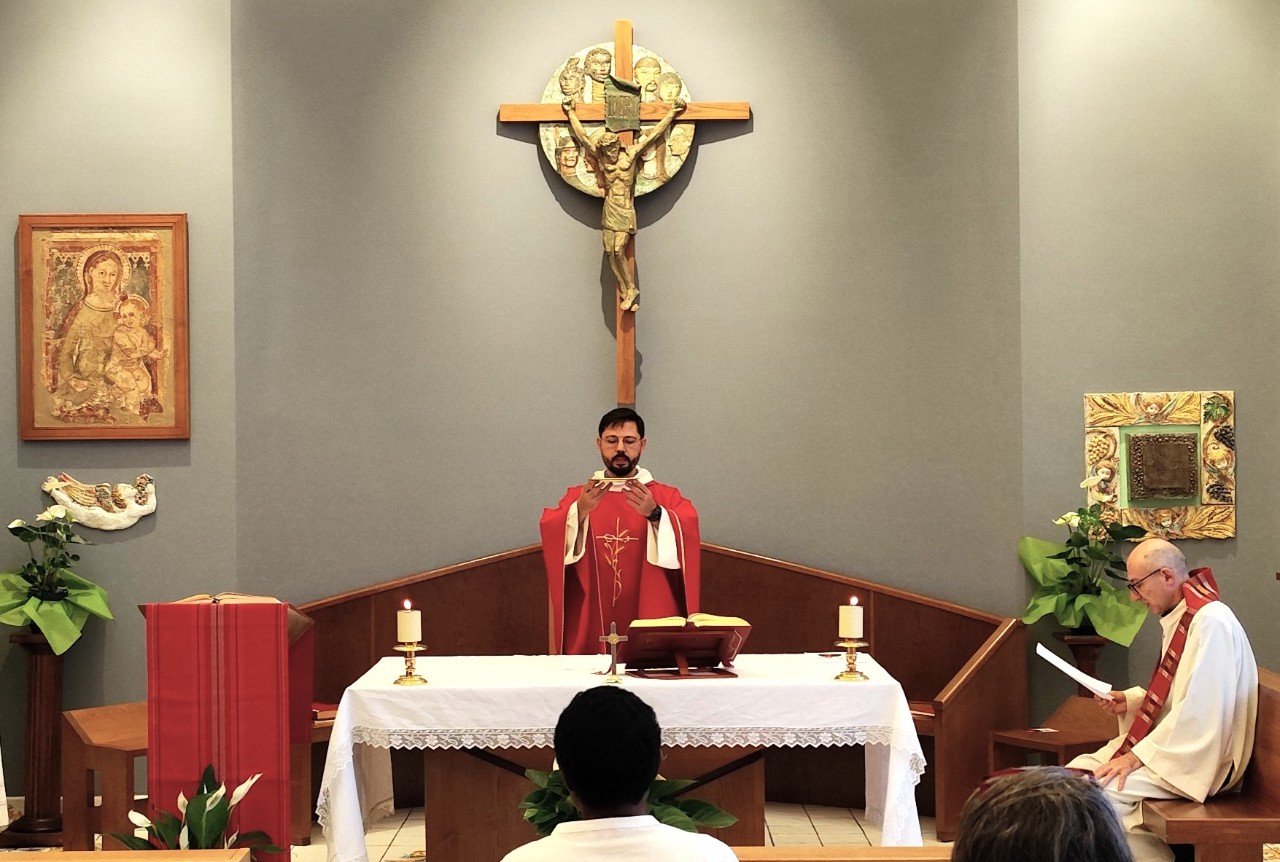
A Eucharistic celebration at the Dicastery for Promoting Integral Human Development
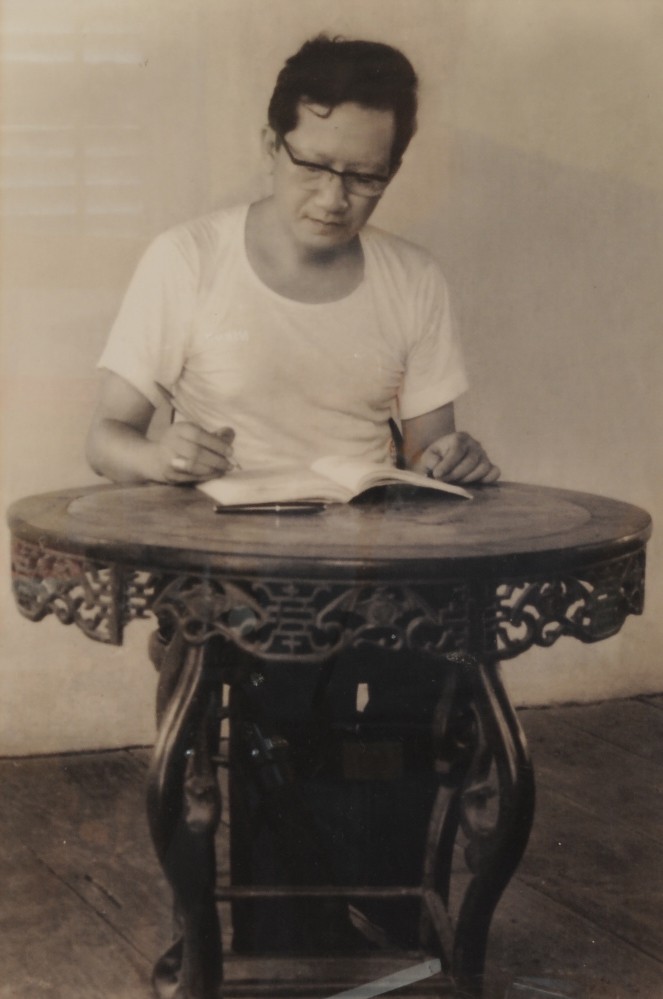
“If there is one thing we can learn from this man’s life story, it is that he managed to find—despite the limitations put on his ability to exercise his ministry—the sublime path of love, which led him to endure those years not merely as a time of waiting for something to happen, but as a time when Christ came to visit him.”
On the 24th anniversary of the Venerable Cardinal François-Xavier Nguyễn Văn Thuận’s passing, the Dicastery for Promoting Integral Human Development gathered to commemorate the Vietnamese cardinal with a celebration of Holy Mass, featuring a homily by Monsignor Christian Barone.
Monsignor Barone drew upon the readings for the day—specifically the Gospel of Luke (Lk 7:31–35) and the First Letter of Saint Paul to the Corinthians (1 Cor 12:31–13:13)—which prompt us to ask: “Where do we recognise God’s presence? What are the signs through which we expect to perceive his action in our lives?” Monsignor Barone highlighted a “striking paradox: one can recognise God in the extraordinary nature of a charism and yet fail to recognise what his presence demands in the concrete reality of a relationship. One can celebrate the Body of Christ and, at the same time, wound that body through divisions within the community.”
“A gift of the Spirit is truly authentic,” Monsignor Barone observed, “when it builds up the Body of Christ, when it fosters communion.” Indeed, charisms are instruments: “They are valuable to the extent that they lead towards building up the community and thus become instruments of love.”
It is precisely in this light—Monsignor Barone explained—that we can understand the human and spiritual journey of Cardinal François-Xavier Nguyễn Văn Thuận.
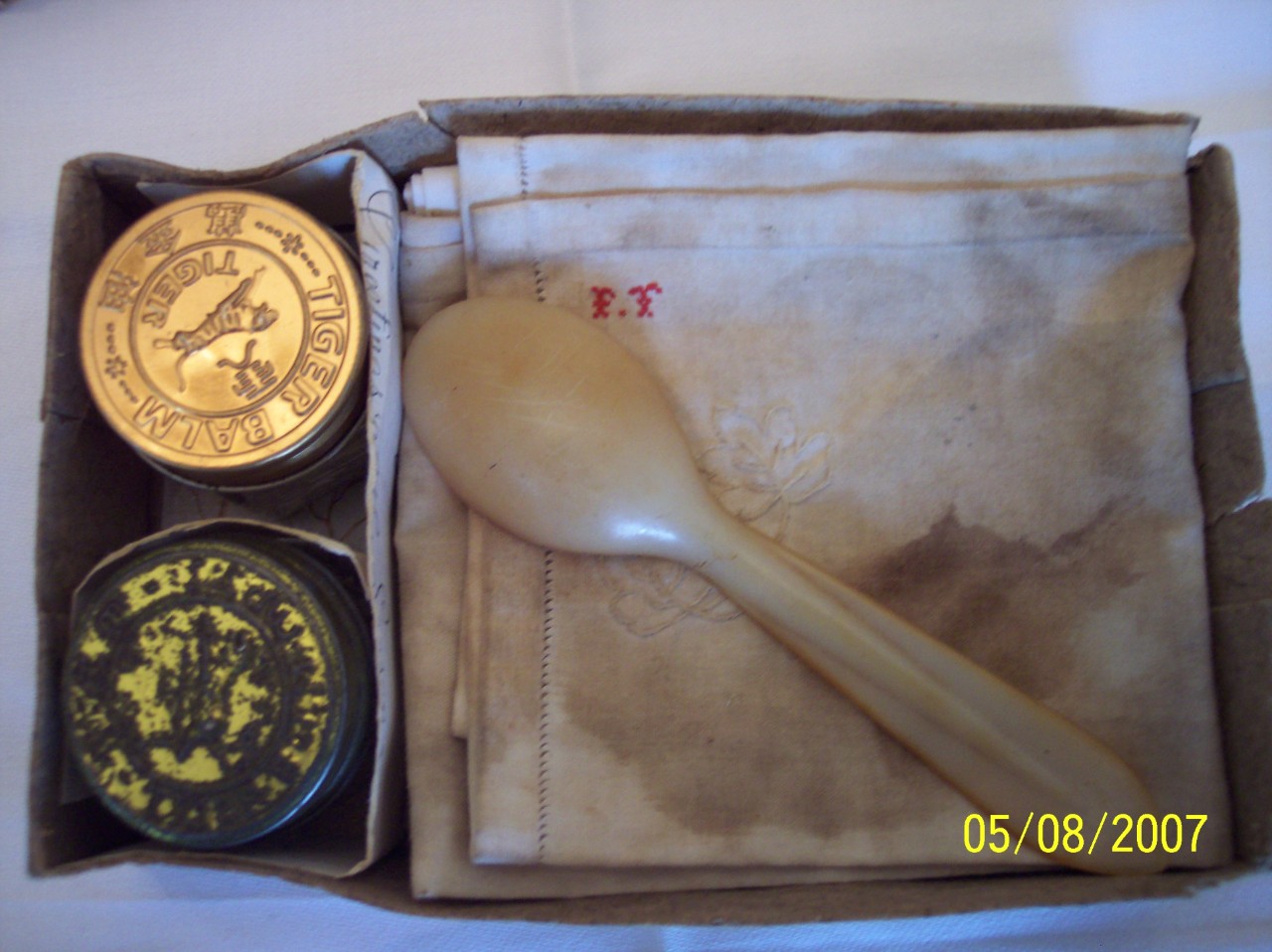
Văn Thuận had only recently been appointed Coadjutor Archbishop of Saigon when, in 1975, he was arrested and forced to spend thirteen years in prison, nine of which were spent in solitary confinement: “He had a diocese before him, a people entrusted to him, pastoral projects, aspirations, responsibilities. Suddenly, all this became impossible. [...] He could not govern his Church, preach to his people, visit the communities, or carry out what he had planned. Everything he believed constituted the concrete way of serving God was taken from him.”
It was in the pain of being unable to exercise his ministry and his gifts that Văn Thuận realised that “the ‘most sublime path’ remained open: the possibility of living through that time in charity.” This charity found nourishment in the Eucharist, celebrated in the palm of his hand, with three drops of wine and one drop of water, and a few hosts hidden in a torch.
“The image,” Monsignor Barone observed, “is one of striking simplicity. He was no longer at his cathedral, he had no altar, he had no congregation before him—the people entrusted to his care. He had only the palm of one hand. And yet, right there, he recognised the presence of Christ.”
That charism of his bore the fruit of unity: “Over time, other prisoners will gather round that Eucharist. The consecrated bread will be passed from one prisoner to another; during the night it would be kept safe and adored. Within a situation designed to isolate people from one another, a communion slowly took shape. [...] Around that Eucharist, the ordinary path of charity began to rebuild a communion and make the Body of Christ visible”.
Văn Thuận had realised “that even that place—a place he had not chosen—could become a space in which to encounter Christ and to love the people entrusted to him.”
“The path of hope of which he would speak so often,” Monsignor Barone concluded, “also stems from this discovery: Christian hope does not consist solely in waiting for a different future; it arises from the possibility of living the present moment with Christ.”